söndag 9 oktober 2011

Traditions Halloween v.42

There are many traditions in Britain.
We are going to work with Halloween and how it is celebrated.

Watch a video with your teacher, answer questions and learn more!
history-of-halloween-listening

Here are some exercises that you are going to work with

1. Listening exercise: Jack o lantern answer the questions below:


Why did Jack want the Devil to turn into a coin?
Why couldn’t the Devil change back into his orignal form?
What was it that the Devil had to promise Jack?
What did Jack do with the Devil next?
Why didn’t God want Jack in heaven?
What happened to Jack in the end?
What is a turnip and what did Jack use it for?


2. Reading: Get from schoolsoft = Halloween in Britain


3. Words
words - pictures
learn the meaning of the words
Picture - write the word
crossword
Halloween games etc
write the missing word (intermediate)

4. Reading comprehension. It is called: Haunted House Reading and Writing  
halloween worksheets 

5. Speak: work 2 and 2
halloween - discussion hämta på schoolsoft

6. Halloween music video - fill in the gaps
halloween song

7. Create a short story = story  

8.
Get from Schoolsoft:
Halloween rhymes
Monster riddles

9. For the fast one. Listen or read
 the_lady_in_the_veil.
 the_shrouded_horseman
Read
 Top ten scary stories 


lördag 1 oktober 2011

British food

This is what you will practice:

What sort of food that is typical for Britain.
What phrases that are used when you order food at a restaurant.
The English names of various dishes and beverages?
Do's and don'ts at the dinner table.

How?

Work with words and phrases in different exercises.

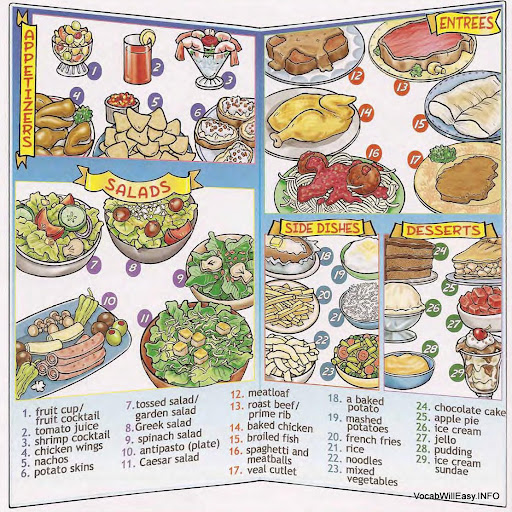
1. Create a conversation at a restaurant between two or more persons and record it. Use the menu below as well as useful phrases.
Use at least 20 phrases including answers. (Använd minst 20 fraser, svaren inräknade)
Share it with your teacher! (använd dela-funktionen på datorn för att lämna in)
Useful phrases at the restaurant
Menu 

2. Practice words "Food" (glosor: Food)

3. Read about British food and table manners. 
(Hämta dokumentet om British Food på schoolsoft och jobba med det!)

4. Listen to texts/dialogues about food.
Listening exercise 1Listening exercise 2 

5. For the fast one
(hämta fil på schoolsoft Food fördjupning)

Want to practice some more? Have a look at my other blog ( min språkvalsengelska)


Crosswords
food 1
food 2
food 3 (not so easy)


söndag 25 september 2011

Describing my home

Write down a description of your home.
These are the things that you have to include in your description:

The type or house you live in.
What it looks like on the outside.
Garden? If so describe it!
The different rooms.
Your room (colour, wallpapers, furniture, curtains etc.)
The surrounding area around your home.

Use these words in your description:

beside
next to
on top of
under
behind
in front
inside


How? In pages. Text size = 12-14.
Hand it in on schoolsoft.

Practice the vocabulary you need to do this task = house and furniture. You find the links next to this text

söndag 4 september 2011

Arbetsområde Britain år 7

Pedagogisk planering i engelska för årskurs 7

Arbetsområde: Britain
Tid: v. 36-43 (8 veckor)

Förankring i kursplanen / långsiktiga mål

Genom undervisningen i ämnet engelska ska eleverna sammanfattningsvis ges förutsättningar att utveckla sin förmåga att
  • förstå och tolka innehållet i talad engelska och i olika slags texter,
  • formulera sig och kommunicera i tal och skrift,
  • använda språkliga strategier för att förstå och göra sig förstådda, 
  • anpassa språket efter olika syften, mottagare och sammanhang, och  
  • reflektera över livsvillkor, samhällsfrågor och kulturella företeelser i olika sammanhang och delar av världen där engelska används.

Centralt innehåll - Konkretiserade mål för arbetsområdet

Under första delen av terminen jobbar vi med England-Storbritannien för att lära känna deras kultur, traditioner, levnadssätt m.m. och göra jämförelser med våra egen kultur.
De områden vi djupdyker i är:
skolan
familj/boende
kläder/utseende
fritid
mat
traditioner och kultur

Bedömning
Muntliga, skriftliga uppgifter som testar reception (läs- och hörförståelse) samt produktion och interaktion (tala, skriva, samtala).
Eleverna får ta del av exempeltexter som visar på de olika kunskapsnivåerna.

Undervisning
Eleverna skall under detta arbetsområde:
  • Utvidga sitt ordförråd när det gäller skola, familj, kläder och utseende, boende, fritid, mat och traditioner.
  • Skapa och använda dialoger i matsituationer.
  • Skriva och muntligt berätta om sin familj.
  • Intervjua klasskamrater om deras skolgång och fritid.
  • Beskriva människors utseende och kläder.
  • Beskriva sitt hem och närmiljön.
  • Skapa en berättelse om något i anknytning till Halloween.
  • Granska och korrigera sina texter för att bli säkrare på grammatik.
  • All undervisning sker med stöd av dator där eleverna utvecklar sina kunskaper om hur de använder hjälpmedel, program, internet m.m. i inlärning och utveckling av ämnet.
  • Undervisningen läggs upp på olika nivåer. Alla texter finns i datorn vilket underlättar för de som behöver lyssna till dem. Eleverna kan välja nivå på läxor samt uppgifter.
  • Eleverna kan utifrån en ram av uppgifter själv bestämma nivå samt vilken ordning de ska göra uppgifterna. De får vara med och välja arbetskamrater vid grupparbeten.


Dokumentation


Varje uppgift eleverna lämnar in gås igenom av mig som lärare. Uppgifterna bedöms och de får skriftlig respons på saker de behöver förbättra via schoolsoft.

tisdag 24 maj 2011

Lies

Some of the Biggest Liars in History

Most of us have told a white lie – those harmless lies that are told in order to be tactful or polite. For example, when your mother-in-law buys you a truly hideous jumper for Christmas, the best thing is to smile and say, “It’s lovely!” And everyone knows that the answer to the question, “Do these trousers make me look fat?” is “No, of course not”– whether it’s true or not.

But those are white lies. Little lies. Very different from big lies, which can take over the lives of the people who tell them, and very often have a serious effect on other people as well. The problem with big lies is that they’re much more difficult to keep up. In the end, “the truth will come out”, as the phrase goes. And when that happens, the liar will have to pay the price. And sometimes, the price can be very high indeed.


Bernard Madoff an American former stock broker


Take Bernard Madoff for example. His “big lie” has earned him a 150-year jail sentence, the maximum sentence in the United States. Considered by many to be the biggest fraudster of all time, Madoff operated a Ponzi scheme that finally cost investors $18 billion. Of course these schemes always fail in the end, because when there are no real profits, the money will run out sooner or later. Madoff’s scam was exposed by the economic slump of 2008, and now he’s got plenty of time to reflect on the dangers of telling people “big lies”.

But despite the risks, some people can’t resist telling lies. And in many cases, greed is the motive. That was certainly the case with John and Anne Darwin, who told one of the most outrageous lies of recent times and nearly got away with it. John Darwin was apparently killed in a tragic canoeing accident off the coast of Hartlepool in North England. An extensive search found the wreckage of his canoe but no John; and Anne Darwin’s tears convinced everyone – including their own children – that she was a grieving widow. When Anne Darwin collected a life insurance payment of £150,000, most people felt it was the least she deserved.

But when John Darwin turned up five years later, claiming amnesia and was joyfully reunited with his wife, suspicions were raised. The couple’s “big lie” finally came unstuck when a picture of them together in Panama in 2006 was discovered. It turned out that John Darwin had been hiding in their house the whole time.

The Darwins were intending to use the insurance pay-off to buy a hotel in Panama. Ironically enough, they wanted to organise canoeing holidays! When Anne Darwin was finally charged in 2007, she reportedly said, “My sons will never forgive me.” If those were her actual words, they were probably the truest ones she’d uttered in years.

GLOSSARY

hideous adj terrible/horrible
to take over phr vb att dominera
to keep up phr vb if you “keep up” a lie, you continue acting as if that lie is true
to come out phr vb sanningen kommer ut
a Ponzi scheme n ett sorts bedrägeri som tillåter att man använder pengarna från nya investerare till att betala gamla investerare.
a scam n a trick to make money dishonestly
the economic slump n a period of poor economic activity
greed n the desire for more and more of something
to get away with something exp to do something bad and not get caught
canoeing n a sport that involves travelling in a small narrow boat by using a paddle (a short pole with a wide flat part at the end)
a tear n an amount of liquid that comes out of your eyes when you're crying
grieving adj someone who is “grieving” is in a state of sadness because of a recent death a widow n a woman whose husband has died
to turn up phr vb to appear
to forgive vb if you “forgive” someone, you stop being angry with them
to utter vb if you “utter” something, you say it

Read the article once. What two examples of big lies does the writer give?
Read the article again and answer the questions.

4
What two examples of white lies does the writer give?
How much did Madoff’s scam cost investors?
How long has Madoff got to reflect on his big lie?
What did people initially think had happened to John Darwin?
What excuse did John Darwin give when he finally turned up?
What did the Darwins plan to do with the money?

söndag 1 maj 2011

LPP Bokstudie engelska år 9

Mål
Utveckla sin förmåga att:
Använda engelska för att kommunicera i tal och skrift.
Läsa olika slags texter för upplevelser och information.
Uttrycka sig varierat och säkert i skrift för att berätta, beskriva och förklara samt motivera sina åsikter och tankar.
Analysera, bearbeta och förbättra språket mot allt större variation och säkerhet.
Planera, genomföra och utvärdera uppgifter, på egen hand.

Hur
Läsa en valfri engelsk bok.
Skriva läsjournal
Att ta med i beskrivning:
Vad vet du om personerna i berättelsen?
Var utspelar sig handlingen?
Vad har hänt? Varför?
Hur reagerar de?
Analysera deras tankar och åsikter.
Hur tar de itu med problem?
Skriv gärna ned dina egna tankar om det du läst. ex. Hur du tror att du
hade reagerat, gjort m.m. Planera, genomföra och utvärdera arbetet med boken.
Bearbeta skriftspråket i läsjournalen.

Betygskriterier

Godkänt

Kunna läsa och tillgodogöra sig innehållet i enklare skönlitterära och andra berättande, beskrivande och argumenterande texter som behandlar kända ämnesområden.
Kunna ge information i skrift samt berätta och beskriva något.
Kunna, på egen hand planera och genomföra arbetsuppgifter samt därvid dra slutsatser av sitt arbete.

Väl godkänt

Eleven läser, tillägnar sig och kommenterar lättlästa texter, både sådana på sakprosa och skönlitteratur.
Eleven skriver varierat och med sammanhang.

Mycket väl godkänt
Eleven tillgodogör sig innehållet i texter av varierande längd, kommenterar dem och drar slutsatser.
Eleven uttrycker sig med språkligt flyt, variation och sammanhang.